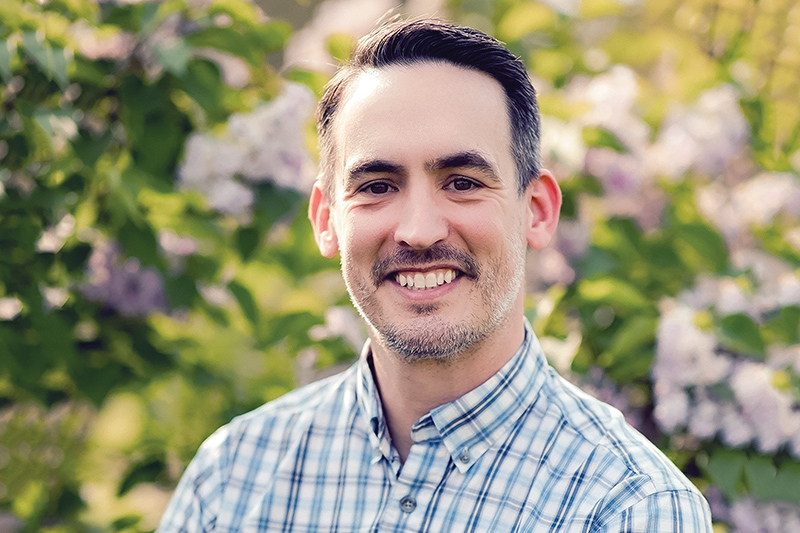
In both is Wedding Photography and Real Estate Photography Chris Power stresses the importance of building relationships and providing a superior level of service. Courtesy Photo
MAPLE RIDGE – It is a rare Creative who, in 2026, can concentrate fully on one specialty, not only as a way of satisfying their creative craving but also do so in a way that allows them to make a living while doing so. Chris Power is a perfect example of this, and for his situation he has found Wedding photography and Real Estate photography to be a mix that works well.
Power got his start in photography about 16 years ago. “I was in the military at the time,” said Power, “And I had come back from my first tour in Afghanistan. I needed something to do with my time, just for my own mental health, and to have a better balance. A friend of mine did photography, and he suggested I give it a try. I did, and I really loved it, so that was a start.
When many people consider what they believe the life of a photographer to be, they think of things like camera gear, travelling, and creating a multitude of incredible images. The reality however is that in addition to the “fun” part of the business is the business itself, the non-glamourous things that help to make the photography sustainable.
“It’s been a long road, because I spent a lot of my time learning my photography while being full-time in the military,” continued Power. “So, I didn’t really do a whole lot of business-related stuff at that time. I just got really good at what I was doing, mostly doing free shoots, and free video, and just free things, to build a bit of a following, and have some people that knew that I did photos. It wasn’t until I moved to North Dundas in 2021 that I actually started turning what was a hobby into a business.”
Power says he started with family photography, and reached out to a few families, and did a couple of free shoots to just to get his name out there. As the desire for his services grew, he turned what had been a hobby into a business. Eventually the family photos led to inquiries about wedding photography, word of mouth being his best marketing tool.
At some point, you reach the point where a decision must be made: Am I going to continue working on something I am passionate about as an “add-on” to my life, or is it time to turn it into my life’s work?
“So, I was doing photography part-time, so I had my own business doing weddings, and I was working full time at Guy Fuels and Propane,” said Power. “I had a heart issue; I had to have surgery, and had a valve replaced. In that process, I kind of reflected on life, and I was trying to decide what I wanted to do in the long term in life, and the answer wasn’t working in fuel and propane. It was really following my heart in the photography side.
“The question was whether or not I would be able to survive off of weddings, and the answer was no,” continued Power. “I needed something more, and I did some research and found out that, weddings and real estate really complemented each other. I reached out to Kathy Hay, a local realtor, and asked if I did a free shoot for her, would she be willing to work with me? She said, yeah, absolutely, let’s do it.”
Power did the first listing and enjoyed the process and began to gain experience, which helped him to decide that he would concentrate on those two revenue streams. “Once again, I had to learn the marketing side and reaching out to clients because if you’re going to live off something, it’s a little bit different than having a hobby. My biggest challenge has been learning social media, learning how to get yourself out there, how to market, how to reach clients where they are, and let them know that you have a service that they could benefit from.”
Pricing and valuing your work are often described as the most difficult aspect of creative work. How difficult was it for Power to see the value in his work?
“The challenge is appreciating myself enough to charge the right value so that I’m able to pay my bills and to make a living off of this,” said Power. It’s been knowing what my worth is and knowing what value I add.”
By using feedback from clients and positive testimonials or positive responses from them Power was able to adjust his pricing to fit his market. “Even now, I feel like the potential’s there that I could charge more, especially on the wedding side,” continues Power. “But once again, we still struggle with, valuing ourselves and making sure that we’re offering the right value for the price that people are willing to pay. That’s the challenge. How do you value your own time and your own effort and the product that you produce? And as much as you ask other people, in the end, it comes down to how you feel charging that price and whether or not somebody’s willing to pay it.”
“My business model is adding quality over quantity,” adds Power. “It’s making sure that I’m able to put the time in to look after my clients and provide them with exactly what they’re looking for. I have clients that are willing to pay extra to be looked after like that so that they know that even if they have an issue with anything that I do, they know they can reach out and I’m right on it, because I give myself enough time to be able to react to the requirements of the client.”
Power says he knows that he is potentially pricing myself out of working with a number of clients, but add that he knows he is working myself into a situation where he can pay his bills, and live and work comfortably because he gives himself the time to look after his clients, and his clients know that they’re being looked after.
Weddings are very much a different animal, because so much is based on perception. A couple with a large budget will often not even consider a photographer who’s pricing they consider to be “low,” even if the lower price does not in any way reflect the quality of the photographer’s work. It is really a matter of finding a price that the customer is satisfied with as well as a price that the photographer feels fairly compensates them for what they provide.
“It’s really a relationship with customers and listening to them and knowing what you’re happy with,” said Power, “Because I’ve done weddings for less than what I felt my value was, and it was not a great experience for me. I felt I just didn’t feel right doing that because I felt like I was putting way more effort than I was being compensated for. So that’s not a healthy place to be either.
“It’s all about relationships,” adds Power. If you develop a good relationship with the people around you, then you’re more likely to have them sell your business on your behalf. That’s where the Chamber of Commerce comes in (Power is the president of the North Dundas Chamber). I want to make sure that everybody in the Chamber of Commerce knows the businesses that I run, what I stand for. Then, when they go out and talk to people, if somebody says, oh, I’m getting married, they’ll think of me.”
You can reach Chris Power by email at Chris@chrispowermedia.ca. He also has two Instagram accounts (power real estate media or power wedding media). You can also reach him by phone at 613-795-2352.
If you would like to have a light shined on your business, please contact us at: editor@etceterapublications.ca or call us at 613-448-2321.
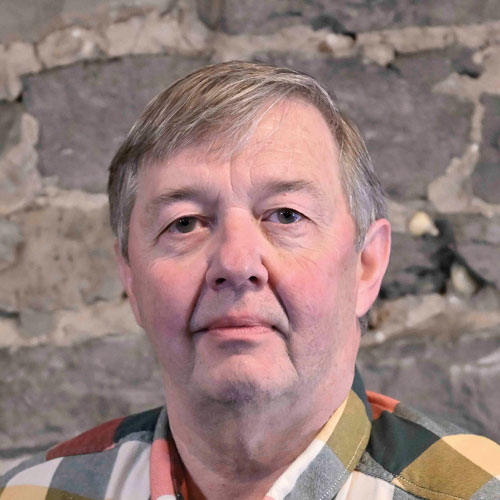
Terry Tinkess is a professional photographer, educator and journalist. He has been making a living with a camera and keyboard since 1999 and has been featured in such publications as The Ottawa Citizen, Cornwall Standard Freeholder, The Globe and Mail, The Miami Herald, Ottawa Construction News, The Ontario Construction Report, Ontario Home Builder Magazine, Reed Construction Data, Canadian Potato Business and most recently, The Record and Eastern Ontario AgriNews. Terry lives in Morrisburg, Ontario with his wife Brenda, Mia the anxious Pittie and cat Chubbers.